


OMEGA
Omega Dynamic III Chronograph
Omega Dynamic III Chronograph
Shipping calculated at checkout.

Omega

38mm

Dynamic

1990 - 1999

5290.50

No

Automatic

Steel
Couldn't load pickup availability

Specifications

Specifications

Description

Description
Learn more
Learn more


Quality
We certify that all watches have been previously evaluated and tested by experienced watchmakers we trust. Therefore, all pieces advertised are authentic and in full working order.
We buy your watch outright
If you want to sell your watch, fill out the form below and we will contact you as soon as possible for more information.
Please note that when purchasing watches, we ask the customer to send the piece to our physical address.
We accept your watch as part of the payment.
We only buy and accept watches as a form of payment if they are in Brazil.

-

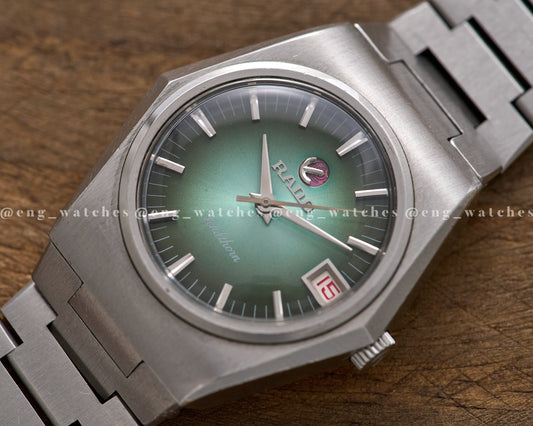 SaleVendor:VINTAGE
Rado Schilthorn
Ver produtoRegular price $3,990.00Regular priceUnit price per$4,290.00Sale price $3,990.00Sale -

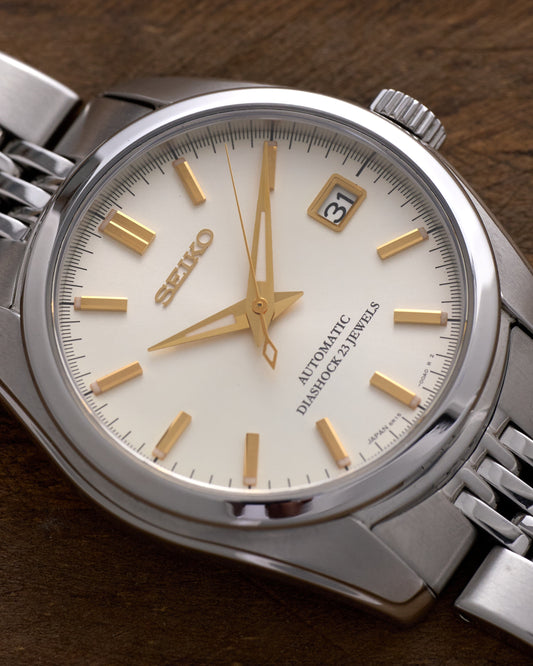 SaleVendor:Seiko
Seiko Spirit SCVS001
Ver produtoRegular price $5,290.00Regular priceUnit price per$5,590.00Sale price $5,290.00Sale -

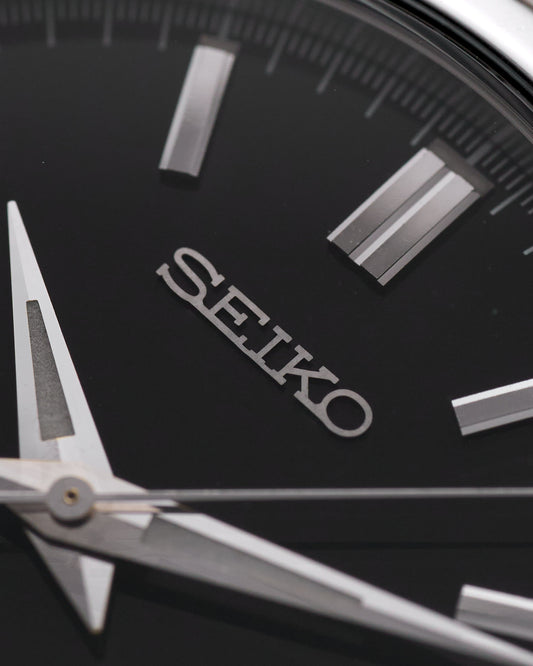 SaleVendor:Seiko
Seiko Spirit SCVS003
Ver produtoRegular price $5,290.00Regular priceUnit price per$5,590.00Sale price $5,290.00Sale


